What Happens if Ant Colonies Are Left Untreated?
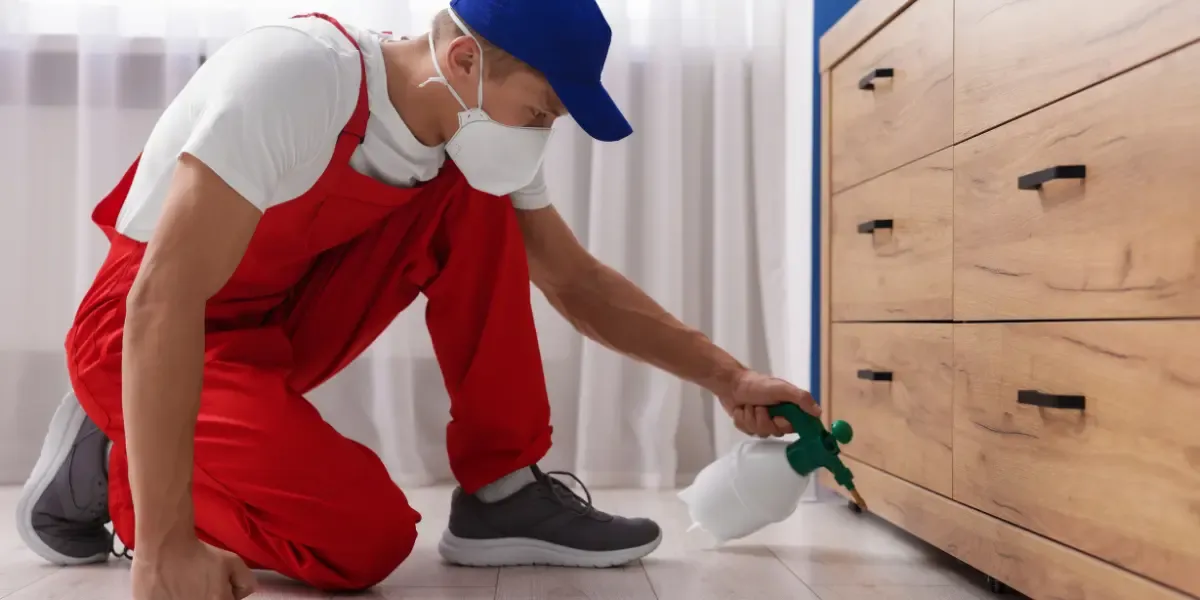
Many homeowners underestimate how quickly Ant Colonies can grow when left untreated. At first, a few ants near windows, kitchen counters, or outdoor walkways may seem harmless. However, ants rarely travel alone. Visible ants are often only a small portion of a much larger colony hidden behind walls, under flooring, inside soil, or near structural gaps. If ignored, these colonies can multiply rapidly, leading to larger infestations, hygiene concerns, and even long-term property issues.
Rapid Growth of Ant Populations
One of the biggest concerns with untreated ants is colony expansion. Ant colonies are highly organized and capable of growing quickly when food, moisture, and shelter remain available. A queen can continue laying eggs while worker ants expand foraging routes and establish new nesting sites. Some species can create satellite colonies, which means a single ant infestation may spread to multiple areas around a home or property.
As the population grows, ants can move from outdoor spaces into kitchens, bathrooms, basements, attics, and hidden wall cavities. What begins as a minor issue can quickly become difficult to manage.
Food Contamination Risks Inside Homes
Ants are constantly searching for food sources. If left untreated, they often invade pantries, countertops, pet food containers, garbage bins, and stored dry foods. Because ants crawl through soil, waste, cracks, and contaminated surfaces before entering homes, they can transfer bacteria and debris onto food preparation areas.
This creates sanitation concerns, especially in households where food is regularly left uncovered. Even tiny crumbs, sugary spills, or moisture near sinks can encourage stronger ant activity indoors.
Common Food Sources That Attract Ants
- Sugar and sweet liquids
- Bread crumbs and grains
- Open the pet food
- Fruit and organic waste
- Unsealed pantry containers
- Sticky spills on kitchen surfaces
Structural Damage From Certain Ant Species
Not all ants damage structures, but some species can become serious threats. Carpenter ants, for example, can tunnel through damp or weakened wood to build nesting galleries. Unlike termites, they do not eat wood, but repeated tunneling can weaken wooden components over time.
If untreated, nesting in wooden beams, window frames, decks, or wall supports can eventually lead to expensive repairs. Moisture-damaged wood often attracts these ants more easily, making neglected leaks and damp areas higher-risk zones.
Hidden Colonies Can Spread Without Notice
A major problem with ants is that colonies often remain hidden for long periods. Many nests develop behind drywall, beneath insulation, inside crawl spaces, under patios, or below concrete slabs. Because activity may be subtle in the early stages, homeowners may not realize the infestation is expanding.
Worker ants leave chemical trails that guide others toward food and shelter. Once these trails become established, repeated movement strengthens infestation patterns and increases indoor visibility.
Moisture Problems Can Worsen Infestations
Ants are naturally drawn to moisture-rich environments. Leaking pipes, clogged gutters, damp basements, poor drainage, and standing water near foundations can create favorable nesting conditions. Untreated moisture problems not only support ants but can also attract other household pests.
Homes with excess humidity or poor ventilation may unknowingly provide ideal shelter for expanding colonies.
Outdoor Nesting Can Lead to Indoor Invasions
Many ant infestations begin outside. Soil near foundations, garden beds, rotting tree stumps, paving cracks, mulch piles, and under stones are common nesting sites. If left untreated, outdoor colonies often expand closer to entry points such as windows, vents, doors, and wall openings.
As weather changes or food becomes limited, ants frequently move indoors searching for more stable shelter and nutrition.
Increased Difficulty of Pest Control Over Time
Small infestations are usually easier to control than advanced colonies. When ants are ignored, their numbers increase, nests spread, and multiple satellite colonies may form. This makes treatment more complicated because eliminating visible ants does not always remove the queen or deeper nests.
Long-term infestations often require more extensive inspection, sanitation improvements, moisture correction, and targeted treatment strategies.
Property Hygiene and Daily Disruption
Beyond structural and food-related concerns, untreated ants can affect daily comfort. Constant ant trails near kitchens, bathrooms, windows, and storage areas can become frustrating. In some cases, ants may enter appliances, electrical boxes, or hidden spaces where warmth is present.
For businesses, repeated ant activity can also affect cleanliness standards and customer perception. For homes, it can create ongoing stress and sanitation concerns.
How to Prevent Ant Colonies From Expanding
Reducing conditions that attract ants can help limit colony growth:
- Seal wall cracks and entry points
- Fix plumbing leaks and moisture issues
- Store food in sealed containers
- Clean crumbs and spills quickly
- Trim vegetation near foundations
- Remove standing water
- Inspect wood damage and damp areas
- Keep garbage tightly covered
Regular inspections can identify early signs before colonies become larger.
Conclusion
Ignoring Ant Colonies can lead to far more than a few visible ants around a home. From food contamination and hidden nesting to moisture-related spread, structural concerns, and growing infestations, untreated colonies can become difficult and costly to manage. Early prevention and proper maintenance from ASM Pest Exterminator are key to reducing long-term pest risks. By addressing warning signs quickly, homeowners can better protect their property from the ongoing impact of Ant Colonies.