Category

Real Estate

Comprehensive discussions and expert insights revolving around real estate trends and best practices.

May 20, 2026 59 Reads

Why a Gated Farmhouse Is the Perfect Blend of Privacy and Comfort

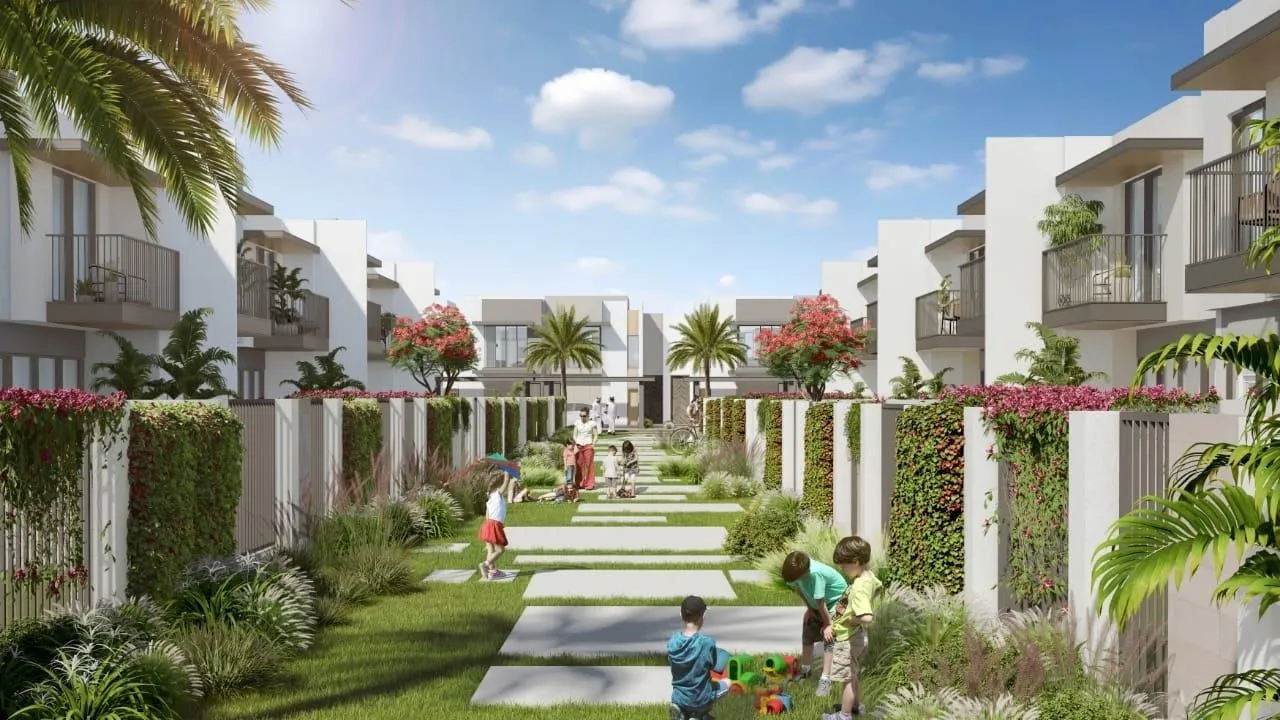
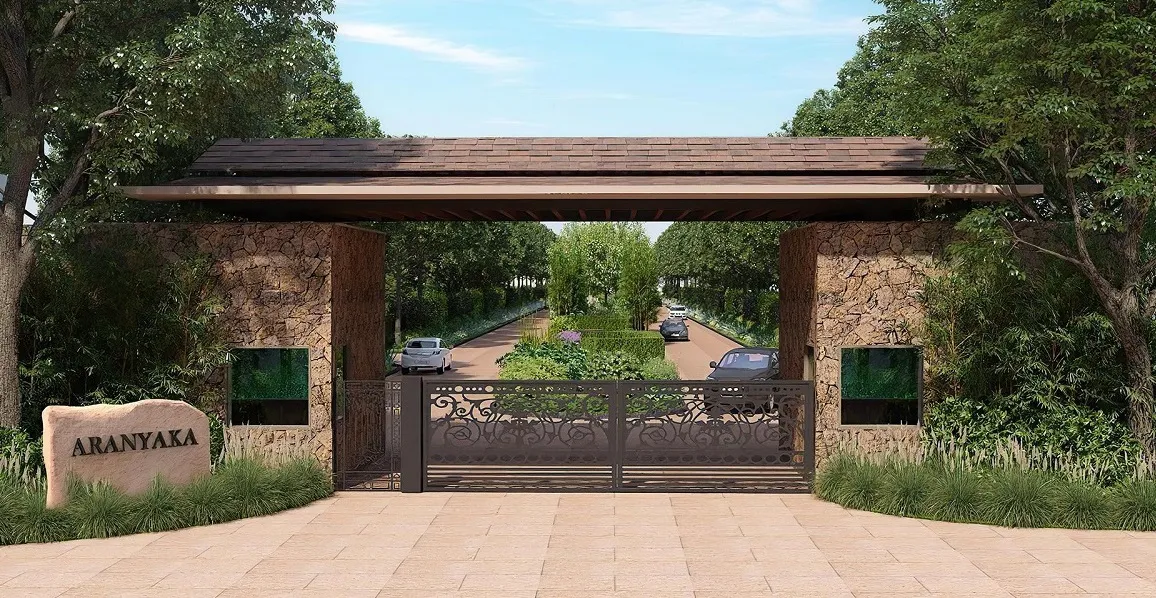
In an age where urban living is becoming increasingly fast-paced and crowded, many individuals and families are seeking alternatives that offer peace, space, and a higher quality of life. The desire to escape traffic, pollution, and constant noise has led to a growing interest in countryside living. Among the most appealing options is the concept of a gated farmhouse, which combines the serenity of rural environments with the security and amenities of modern living.This unique form of property ownership is not just about having a second home, but it is about embracing a lifestyle that prioritizes comfort, privacy, and connection with nature. Whether used as a weekend retreat, a permanent residence, or a gated farm house, these properties are redefining how people think about real estate.The Growing Appeal of Farmhouse LivingFarmhouse living has evolved significantly over the years. What was once associated with agriculture and basic rural homes has transformed into a sophisticated lifestyle choice.Today’s farmhouses offer:Spacious layoutsModern architectureHigh-end amenitiesScenic surroundingsThe combination of these elements makes them an attractive option for those looking to move beyond traditional urban housing.Privacy as a Key AdvantageOne of the most significant benefits of owning a gated farmhouse is the level of privacy it offers. Unlike city apartments or crowded neighborhoods, these properties provide ample space and seclusion.Privacy advantages include:Expansive living areas Controlled access through gated entryReduced noise and disturbancesThis sense of exclusivity is especially appealing to individuals who value personal space and tranquility.Enhanced Security in Gated DevelopmentsWhile rural properties often raise concerns about safety, gated developments address this issue effectively. Security features are an integral part of modern farmhouse projects.Common security measures include:24/7 surveillance systemsSecurity personnelControlled entry and exit pointsThese features ensure that residents can enjoy their surroundings without compromising on safety.A Perfect Escape from Urban StressCity life, while convenient, often comes with high levels of stress. A farmhouse provides a much-needed escape, offering a slower pace of life and a more relaxed environment.Benefits of this escape include:Reduced exposure to pollutionAccess to fresh air and open spacesOpportunities for outdoor activitiesThis makes farmhouse living ideal for both mental and physical well-being.Blending Comfort with NatureModern farm houses are designed to offer the best of both worlds, natural surroundings and contemporary comfort.Features often include:Spacious living areasModern kitchens and bathroomsOutdoor gardensA well-designed luxury farmhouse ensures that residents do not have to compromise on comfort while enjoying nature.Ideal for Family Living and GatheringsFarm houses provide ample space for families to spend quality time together. They are perfect for hosting gatherings, celebrations, and weekend getaways.Advantages for families:Large open areas for activitiesSafe environment for childrenOpportunities for bonding away from distractionsThese properties create a warm and inviting atmosphere for memorable experiences.Customization and PersonalizationUnlike standard apartments, farmhouses offer greater flexibility in design and layout. Owners can customize their properties to suit their preferences.Customization options may include:Landscaping and garden designInterior décor and layoutAddition of recreational facilitiesThis level of personalization enhances both comfort and satisfaction.Work-from-Anywhere LifestyleThe rise of remote work has made it easier for people to live outside urban centers. Farmhouses provide an ideal setting for a work-from-anywhere lifestyle.Benefits include:Peaceful work environmentReduced distractionsImproved productivityA luxury farmhouse with modern amenities can function as both a home and a workspace.Recreational OpportunitiesFarm houses offer a wide range of recreational possibilities that are often not available in urban settings.Activities may include:GardeningOutdoor sportsNature walks and cyclingThese activities promote an active and balanced lifestyle.Long-Term Value and LegacyOwning a farmhouse is not just about immediate benefits, it is also about long-term value. These properties can be passed down through generations, creating a lasting legacy.Benefits include:Emotional value for familiesAppreciation over timeA gated farm house becomes more than just a property, but it becomes a part of family history.The Future of Farmhouse LivingThe demand for farmhouse properties is expected to grow as more people prioritize lifestyle and well-being. Developers are continuously innovating to meet these expectations.Future trends may include:Smart and sustainable designsEnhanced connectivityIntegrated community featuresThese developments will further enhance the appeal of farmhouse living.Why It Stands Out Among Other Property OptionsCompared to traditional housing options, farmhouses offer a unique combination of benefits:Privacy and spaceModern amenitiesConnection with natureA luxury farmhouse provides an elevated living experience that is difficult to replicate in urban settings.ConclusionIn a world where space, privacy, and well-being are becoming increasingly important, farmhouse living offers a compelling solution. The combination of natural surroundings, modern comforts, and secure environments makes it an ideal choice for today’s homeowners. A gated farmhouse provides the perfect balance between seclusion and convenience, allowing residents to enjoy a peaceful lifestyle without sacrificing essential amenities. As demand continues to grow, these properties are set to play a significant role in the future of real estate, offering a harmonious blend of comfort, security, and long-term value.

R
Rishika Jain
May 20, 2026 62 Reads

Why International Investors Are Choosing The Valley Over Dubai Hills Estate

1. Introduction: A Quiet Reshuffling at the Top of Dubai's Buyer PoolSomething subtle is happening at the upper end of Dubai's residential market. Brokers in Knightsbridge, Mumbai, Lagos, and Singapore are fielding a question they rarely heard two years ago. Clients are no longer opening with "Show me Dubai Hills." They are opening with "Tell me about The Valley by Emaar Properties."It is not a wholesale defection. Dubai Hills Estate remains a formidable address, anchored by its golf course, its boulevard, and a tenure premium that money cannot manufacture overnight. Yet the gravitational pull of newer master plans is undeniable. Spreadsheets are being redrawn. Allocations that once flowed almost reflexively toward the incumbent are now being rerouted southward along the Al Ain corridor. This article unpacks why.2. The Shifting Profile of the Overseas Property Buyer in 20262.1 From Trophy Asset to Yield-First ThinkingThe pandemic-era cohort that snapped up Dubai property for lifestyle bragging rights has given way to a more analytical buyer. Family offices, NRIs deploying repatriated capital, and European HNWIs hunting dollar-pegged yield are the ones writing cheques now. They do not buy for postcards. They buy for cash flow, fiscal arbitrage, and durable appreciation. The Valley by Emaar Properties slots neatly into that mindset because it offers tangible upside without requiring an eight-figure ticket.2.2 Why Younger Capital Is Looking South of Sheikh Zayed RoadThere is also a generational dimension. Buyers in their thirties and early forties, often first-time entrants into Dubai's freehold market, are unwilling to lock up five or seven million dirhams in a single villa. They want optionality. They want a payment plan that lets them deploy capital elsewhere while construction runs its course. The Valley delivers precisely that, and its launches sell out at a pace that would make any frontier-market fund manager nod approvingly.3. The Price-to-Plot Equation: Where The Valley Wins Decisively3.1 Entry Thresholds and What AED 1.5M Actually BuysThe numbers tell their own story. A three-bedroom townhouse in early clusters at The Valley by Emaar Properties has launched from roughly AED 1.5M, with newer phases sitting in the AED 2.5M to 3.5M band. Compare that with Dubai Hills Estate, where a three-bedroom villa rarely surfaces below AED 6M, and the better-located five-bedroom homes vault past AED 15M. The delta is not marginal. It is structural.What you receive at that entry price is not a compromise either. Plots are generous. Built-up areas frequently exceed 2,300 square feet. Ceilings are tall, finishes are restrained but considered, and the architectural vocabulary leans contemporary-pastoral rather than the gloss-and-marble idiom of central Dubai. For an international investor sizing positions, this means greater leeway: two or even three units at The Valley for the cost of a single Dubai Hills villa.3.2 Payment Plan Architecture That Favors Foreign CapitalEmaar's 80/20 plan, common across recent Valley launches, is quietly transformative. A buyer pays roughly 10% on booking, drip-feeds 70% through construction milestones, and settles the remaining 20% only at handover. For non-residents who must navigate FX timing, mortgage qualification, or repatriation windows, this cadence is invaluable. It also lowers the effective cost of carry, since the capital remains productive elsewhere until the asset is delivered. Dubai Hills resale stock, by contrast, demands the full ticket up front or a conventional mortgage with all its frictions.4. Capital Appreciation: Maturity Versus Runway4.1 Dubai Hills Estate as the Stabilized Blue-ChipDubai Hills is what economists would call a stabilized asset. It is largely built out. Its schools are operational, its retail anchors are open, its golf membership lists are formed. That maturity is precisely why prices have already absorbed the lion's share of the easy appreciation. Yields have compressed accordingly. You are buying a known quantity, and the market prices it like one.4.2 The Valley as a Growth-Stage FrontierThe Valley by Emaar Properties is the opposite proposition. Phase 1 clusters are nearing handover. Phase 2 is mid-construction. Phase 3, recently unveiled with green corridors, cycling lanes, and a retail promenade feeding directly into the Town Centre, has its handover target firmly in the back half of the decade. Analysts tracking the community project capital appreciation in the region of 18 to 20 percent through 2026 and ROI bands of 6 to 6.5 percent at stabilization. Those numbers are not speculative pyrotechnics. They reflect the textbook trajectory of a master-planned community at the early stage of its lifecycle, supported by a developer with an enviable handover record.5. Lifestyle Thesis: Countryside-Coded vs Metropolis-Adjacent LivingDubai Hills sells proximity to Downtown. It is metropolis-adjacent, with the Burj Khalifa visible from many upper floors and Dubai Mall a fifteen-minute drive away. The Valley sells something almost antithetical: an unhurried, countryside-coded register of living. Farm Gardens, with its agrarian motifs and equestrian-friendly layouts, is the headline expression of this ethos. But the entire community is tuned to the same frequency: pocket parks, sand dune topography softened by landscaped corridors, a Town Centre designed around foot traffic rather than valet queues.For a certain international buyer, particularly those raising young children or planning a phased relocation, this is not a downgrade from Dubai Hills. It is a different lifestyle altogether, and arguably one with greater longevity as urban density continues to creep across the older neighborhoods.6. Connectivity and the Al Ain Corridor PlayThe geographic argument used to favor Dubai Hills overwhelmingly. That gap is narrowing. The Valley sits along the Dubai–Al Ain Road, with the Jebel Ali–Lehbab thoroughfare providing a direct artery to Sheikh Zayed Road. Downtown Dubai is roughly 25 minutes away under normal conditions. Al Maktoum International, the airport positioned to become the world's largest, is closer still.International investors with a horizon beyond five years are paying close attention to the Al Ain corridor for a specific reason: it is the direction in which Dubai's growth is being pushed by deliberate planning policy. Expo City, the southern airport expansion, and a constellation of new logistics and tech parks all sit on that vector. The Valley by Emaar Properties is, in effect, a residential bet on infrastructure that is already under construction.7. Rental Yield Calculus and End-User DemandRental dynamics complete the case. Dubai Hills villas command premium rents but at correspondingly premium capital values, which means net yields often hover in the 4 to 5 percent range. Townhouses at The Valley, with lower acquisition costs, can clear 6 to 7 percent gross when leased to the very real demand segment they were designed for: dual-income expatriate families priced out of Arabian Ranches and Dubai Hills but unwilling to compromise on community quality.That end-user demand matters. It is what differentiates a sustainable income-producing asset from a speculative flip. The Valley's pipeline is being absorbed in large measure by buyers who intend to live in it, which underwrites the rental story whenever an investor chooses to lease rather than occupy.8. Honest Trade-Offs: Where Dubai Hills Estate Still LeadsA balanced analysis demands honesty about what Dubai Hills retains. The community is established. Schools like GEMS Wellington and Dubai Hills Park are operational realities, not renderings. The golf course is a genuine amenity rather than a marketing flourish. Resale liquidity is deeper, transaction histories are longer, and the address itself carries a reputational halo that takes years for newer communities to accrue.For a buyer whose sole criterion is "deliver me a finished, prestigious home today," Dubai Hills remains the rational choice. For investors prioritizing optionality, runway, and entry economics, The Valley by Emaar Properties is the more compelling vehicle. These are not competing claims. They describe different stages of an investor's journey.9. Final Verdict: A Different Asset, Not a Lesser OneThe migration of international capital toward The Valley is not a rejection of Dubai Hills Estate. It is a recognition that the two communities sit at distinct points on the value curve and answer to different investment theses. Dubai Hills offers the comfort of the finished article. The Valley by Emaar Properties offers the asymmetry of an early position in a master plan with a fifteen-year tail.For overseas investors building dirham-denominated portfolios in 2026, the question is no longer which community is better. It is which stage of community development matches their capital profile. Increasingly, the answer that returns from spreadsheets across four continents points in the same direction: southward, along the Al Ain road, to a community that is still writing its story.

M
Mary Simon